App Development Income: Build Apps That Generate Passive Revenue
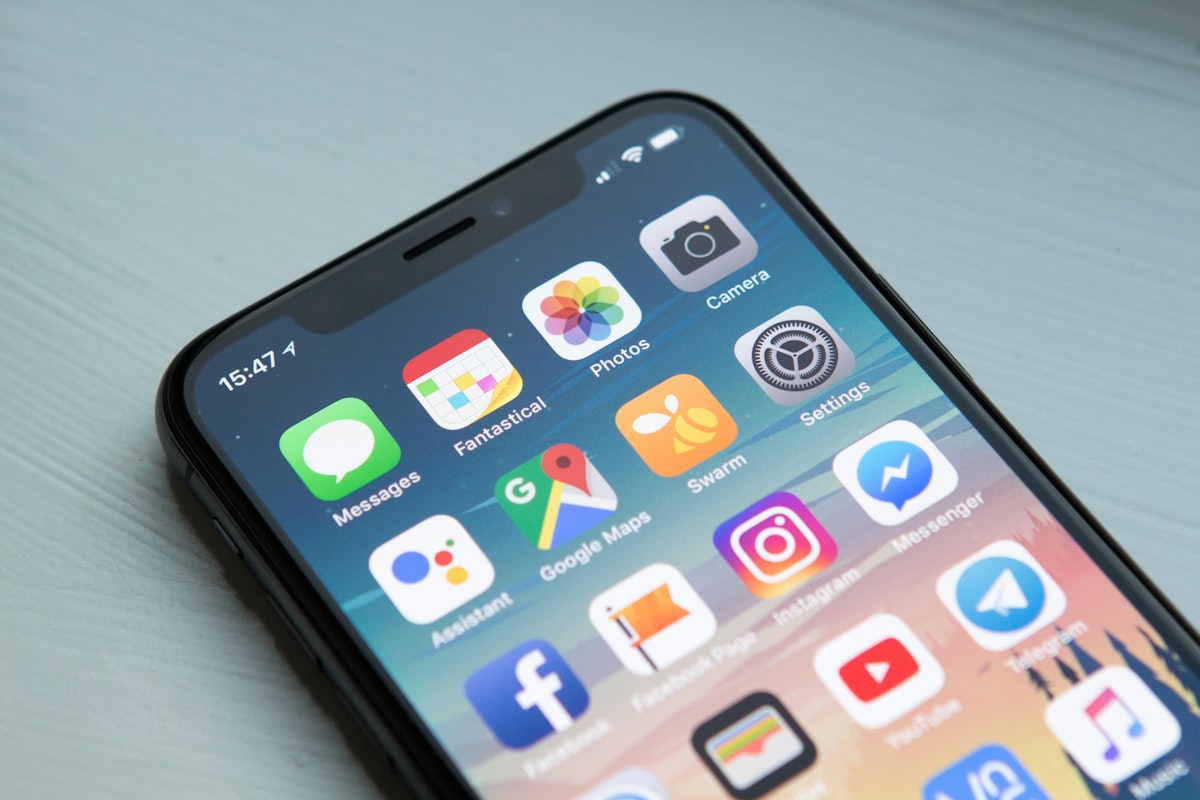
The app economy represents one of the most accessible paths to passive income available today. Unlike traditional businesses requiring physical infrastructure, employees, and ongoing operational overhead, successful apps can generate revenue 24/7 while requiring only periodic maintenance and updates. Top developers earn six or seven figures annually from apps that took months to create. This guide covers everything from identifying profitable app ideas through development, launch, and ongoing optimization for revenue generation.
However, the app market is also extremely competitive. The App Store and Google Play each contain millions of apps, with most earning very little. Success requires more than just technical ability—it demands understanding market needs, strategic positioning, and persistent optimization after launch. This guide provides realistic expectations and proven strategies for building apps that actually earn money rather than disappearing into obscurity.
Understanding the App Economy
Before building apps, understand how the market works and where money actually flows.
Revenue Models That Work
Apps monetize through several primary models. Free apps with advertising generate revenue from impressions and clicks—successful apps might earn $1-10 per daily user, meaning 10,000 daily users generates $10,000-100,000 monthly. Freemium models offer basic functionality free while charging for premium features, converting a small percentage of users to paying customers. One-time purchase apps require upfront payment but face decreasing conversion rates as free alternatives proliferate. Subscription models provide recurring revenue from engaged users willing to pay monthly for ongoing value.
Where the Money Actually Flows
The vast majority of app revenue concentrates among a tiny percentage of apps. Games dominate revenue charts, particularly hyper-casual games with simple mechanics and broad appeal. Utility apps that solve specific problems—productivity, health, finance—generate substantial revenue from dedicated user bases. Niche apps serving specific professional or hobbyist markets often earn disproportionately well relative to user counts because users have money and clear needs.
Finding Profitable App Ideas
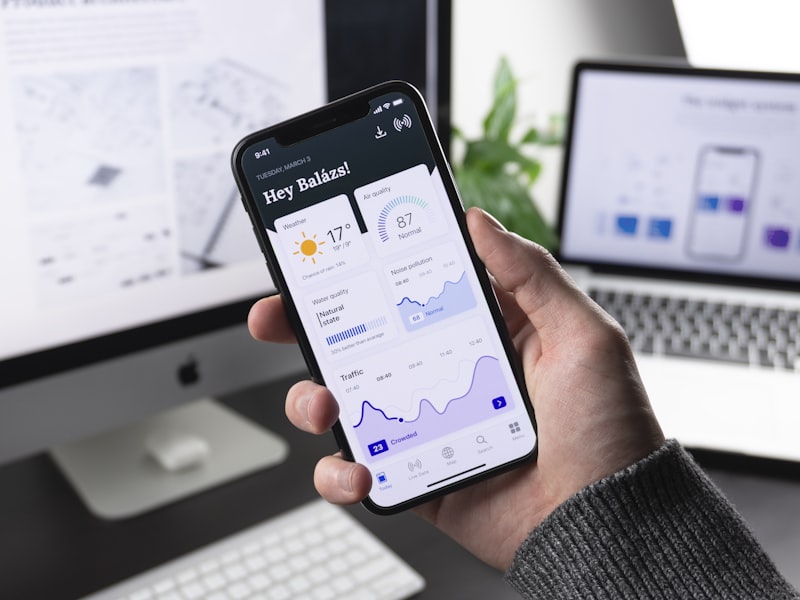
Successful apps solve real problems for real users. Idea generation focuses on identifying genuine needs that existing solutions don't adequately address.
Problem-First Approach
Start with problems you personally experience or observe in your professional and personal life. The best app ideas often come from frustrated users complaining about missing functionality or inadequate solutions. Document these frustrations specifically—what exactly fails, what would solve it, why current options fall short. Apps built from genuine problem understanding have inherent market fit that apps built from technical curiosity lack.
Market Validation
Before investing development time, validate that problems you've identified actually affect enough people to support an app business. Search app store reviews for existing apps in adjacent categories—complaints reveal unmet needs. Use Google Trends to verify search interest. Create simple landing pages describing your proposed solution and measure interest through sign-up forms before building anything.
Competition Analysis
Every app has competition—sometimes direct, sometimes indirect. Analyze existing apps addressing similar problems. What do they do well? What do users complain about? What are they missing? Successful apps don't necessarily need to be revolutionary; they need to be better than alternatives for a specific audience. Differentiation can come from better UX, lower price, specific feature focus, or superior performance.
Development Options
Several development approaches exist, each with distinct tradeoffs between cost, time, quality, and platform reach.
Native Development
Native apps built specifically for iOS (Swift/Objective-C) or Android (Kotlin/Java) provide the best performance and full platform access. However, native development requires learning platform-specific languages and frameworks, effectively building two separate apps for maximum market reach. This approach suits developers with existing programming skills or projects requiring maximum performance and platform integration.
Cross-Platform Frameworks
React Native, Flutter, and similar frameworks allow building apps that run on both iOS and Android from single codebases. These tools have matured significantly and now provide user experiences nearly indistinguishable from native apps for most use cases. Cross-platform development dramatically reduces time and cost while reaching both major platforms, making it the preferred approach for most indie developers and small teams.

No-Code and Low-Code Options
Platforms like Adalo, Bubble, and Glide enable building functional apps without traditional programming. These tools have limitations in performance and flexibility but dramatically reduce the barrier to entry. For entrepreneurs validating ideas or building simple utility apps, no-code platforms can generate viable products without development teams. As ideas prove successful, migrating to custom development becomes possible.
Monetization Strategies
Choosing the right monetization strategy depends on your app type, target audience, and competitive landscape.
Advertising Revenue Optimization
For advertising-based apps, revenue depends on user count, engagement levels, and ad network selection. Maximize revenue through strategic ad placement—interstitial ads between content screens, native ads matching app content, and rewarded ads that users watch voluntarily for in-app currency. Different ad networks serve different purposes; most successful apps use multiple networks simultaneously through mediation platforms.
Subscription Design
Subscription apps must deliver ongoing value justifying recurring charges. Successful subscription apps typically offer core functionality free, with premium features or content unlocked through subscription. Design subscriptions around engagement—the more users engage, the more value they receive, and the more likely they are to maintain subscriptions. Free trials convert better than forced upfront commitment but require careful design to avoid alienating users who feel pressured.
In-App Purchases
In-app purchases work well for games and apps with virtual goods or content. Design purchase economies carefully—too aggressive monetization drives away users while too generous offerings leave revenue on the table. Successful IAP apps spend significant time testing pricing, packaging, and promotional strategies to optimize conversion rates.
Launch and Growth
Building the app is only half the battle. Launch and ongoing marketing determine whether your app reaches its revenue potential.
App Store Optimization
App Store Optimization determines how easily users discover your app through search. Optimize app titles with relevant keywords, write compelling descriptions highlighting benefits rather than features, use high-quality screenshots showing the app in action, and encourage positive reviews through in-app prompts at moments of satisfaction. App Store algorithms weight downloads, reviews, and engagement heavily—early traction significantly impacts long-term discoverability.
Launch Strategy
Launch with a marketing push—press releases, social media campaigns, launch day promotions—to generate initial download momentum. Positive early reviews and downloads improve App Store ranking visibility, creating a compounding effect. Consider soft-launching in smaller markets to test and refine before global release.
User Retention
Most app revenue comes from retained users, not new downloads. Focus on Day 1, Day 7, and Day 30 retention metrics. Push notifications, in-app messaging, and regular content updates maintain engagement. Monitor churn rates carefully—understanding why users stop using your app enables targeted improvements.
Conclusion
App development offers genuine passive income potential but requires realistic expectations and strategic execution. The majority of apps earn nothing; successful apps earn substantial sums. Success requires finding genuine problems, building quality solutions, choosing appropriate monetization, and executing launch and ongoing optimization with discipline. If you're willing to invest in learning development skills or partner with those who have them, app development can provide the kind of passive income that compounds over time into significant wealth. Start with validated ideas, build iteratively, and focus on serving users exceptionally well.